Commercial Moves in St Johns Wood
Reliable Commercial Relocation Support for Local Businesses

When a business in St Johns Wood needs to move, the job is rarely simple. Offices, clinics, studios, showrooms, and small professional practices all have different requirements, and each one needs a move plan that keeps disruption to a minimum. Commercial Moves in St Johns Wood are about much more than transport; they are about protecting equipment, managing timing, keeping staff informed, and helping your business get back to work quickly and calmly.
Local customers often need a service that understands the pace and layout of the area. St Johns Wood has a mix of elegant mansion blocks, purpose-built office spaces, converted buildings, and busy commercial premises close to Regent’s Park, Maida Vale, Marylebone, and Swiss Cottage. That mix can create parking restrictions, access issues, narrow roads, and loading challenges that a local team is better placed to handle. A move in this part of North West London needs careful planning from the start.
Whether you are relocating a small team, moving archive boxes between premises, or transferring specialist office furniture and IT equipment, the goal is the same: keep your operations as smooth as possible. A well-managed commercial relocation can reduce stress for staff, protect assets, and help you settle into the new premises with confidence.
What Commercial Moving Services Typically Include

Every business move is different, but a professional commercial removals service should offer a structured approach that covers planning, packing, transport, and placement at the destination. For customers arranging office removals in St Johns Wood or a broader business relocation, it helps to know what is usually included before you book.
Typical services may include:
- Pre-move surveys and move planning
- Labelled packing for files, equipment, and supplies
- Safe dismantling and reassembly of desks, workstations, and storage units
- Careful handling of IT hardware and peripherals
- Transport of furniture, office contents, and boxed items
- Placement of items in the correct rooms or work zones
- Support for phased moves, weekend moves, or out-of-hours relocations
- Waste and packing material removal where required
Not every move needs every service, which is why a tailored plan matters. A receptionist moving into a new suite will have very different requirements from a medical practice, design studio, or legal office. The right team should listen first, then build a move plan around your business rather than forcing a one-size-fits-all process.
Why St Johns Wood Businesses Choose a Local Team

Choosing a local team for business relocation work brings practical benefits. In an area like St Johns Wood, where property layouts, loading access, and traffic patterns can affect timing, local knowledge is genuinely useful. A mover who already understands the area can better anticipate restrictions and build a safer schedule.
That can matter whether you are moving from a shared office near St John’s Wood High Street, relocating from a converted townhouse, or transferring stock and fixtures from a retail or hospitality space. Local crews are often more familiar with nearby streets, the best times for access, and the kind of parking arrangements that may be needed for a commercial van or lorry.
There is also a customer service advantage. When your office move is part of a larger business change, you need clear communication and flexible arrangements. A local provider can often respond more quickly for surveys, follow-up questions, and last-minute adjustments. For busy teams, that can make the whole process feel more manageable.
Commercial Relocations for Different Types of Businesses

Commercial moving is not limited to traditional offices. In St Johns Wood, many businesses operate in mixed-use environments, residential buildings with professional suites, or compact premises where every square metre matters. A reliable team should be able to support a wide range of move types while maintaining care and efficiency.
Common commercial moves include:
- Office relocations for small firms, start-ups, and established companies
- Professional practices such as consultancies, accountancy firms, and legal offices
- Medical or wellness premises with sensitive equipment and privacy needs
- Retail and showroom moves involving display items and stock
- Hospitality and food businesses transferring furniture, fixtures, and supplies
- Creative studios with specialist tools, artwork, or technical gear
- Storage moves including archive relocation and inventory transfers
Each business type comes with its own challenges. For example, an office may need careful labelling and IT handling, while a studio may need extra protection for fragile equipment and artwork. A clinic may prioritise discretion, timing, and a tidy handover, whereas a retail move may focus on display shelving, stock organisation, and reopening quickly. The right service should adapt to those needs without making things complicated.
Commercial Moves in St Johns Wood work best when they are planned with the final setup in mind. It is not just about getting things out of the old property; it is about helping your team get back to work with a practical layout and minimal downtime.
How the Moving Process Usually Works
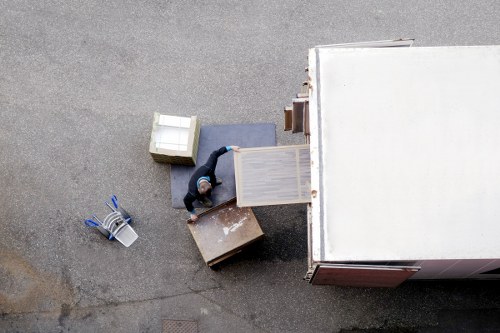
A structured process keeps the move organised and reduces the risk of delays. While every project is different, most commercial relocations follow a similar path from initial planning to final placement. Knowing what to expect can help you prepare your staff and avoid last-minute confusion.
1. Initial discussion and survey
The first step is to understand the size of the move, the type of premises, access arrangements, timing needs, and any special items that require extra care. A survey may be needed so the move can be planned properly, especially for larger offices or premises with complex access.
2. Move planning
Once the requirements are clear, the move plan can be set. This may include packing dates, transport timing, building access windows, floor layouts, and any coordination needed with building management. For businesses in St Johns Wood, this stage is especially important where parking or loading is limited.
3. Packing and labelling
Boxes, files, and equipment should be clearly labelled so everything goes to the right area in the new premises. Many businesses prefer colour-coded systems for teams or departments. Strong packing materials can protect fragile items and help keep the move orderly.
4. Dismantling and protection
Office desks, meeting tables, shelving, and other furniture may need dismantling before transport. Protective wrapping and careful handling are important for items that could be scratched, dented, or damaged in transit. This is also the stage when IT setups, monitors, and accessories should be packed securely.
5. Transport and delivery
Items are loaded in a way that supports safe transport and efficient unloading. The delivery phase should be handled with the same care as the packing stage so that boxed items, furniture, and equipment arrive in good condition and in the right order.
6. Placement and reassembly
At the destination, items are placed in the appropriate rooms or workspaces. Furniture may be reassembled, and boxes can be positioned to help your team unpack in a logical order. A good mover will pay attention to the new floor plan rather than just leaving items at the entrance.
Preparing for a Business Move in St Johns Wood
Preparation is one of the biggest factors in a successful commercial relocation. The more organised your business is before moving day, the less time you are likely to lose during the changeover. This is especially important in St Johns Wood, where access can be tighter and timings may need to be more precise than in less busy areas.
Useful preparation steps include:
- Create a move schedule and assign responsibilities to staff
- Identify essential equipment that needs priority handling
- Back up digital files and secure sensitive data before the move
- Separate items that will be moved, stored, recycled, or disposed of
- Label desks, storage areas, and boxes clearly
- Confirm access arrangements at both the old and new premises
- Notify building management where required
- Check whether lifts, loading bays, or stairs will be available on the day
Tip: If your business relies on customer appointments or deliveries, think carefully about timing. Some companies choose to move outside trading hours or over a weekend so operations are interrupted less. A flexible local mover can help you choose a schedule that suits your workload.
It is also a good idea to prepare a small essentials box for the first day at the new premises. This might include chargers, keys, stationery, cleaning supplies, temporary signage, and any items the team will need before the full unpacking is complete.
Access, Parking, and Building Challenges in the Area
One of the main reasons customers look for local business removals in St Johns Wood is the practical challenge of moving in a built-up London neighbourhood. Roads can be busy, parking is often limited, and some properties have restricted loading or shared access. Understanding these issues early helps avoid delay on moving day.
Common challenges in and around St Johns Wood may include:
- Controlled parking and permit-based parking zones
- Narrow residential roads and limited stopping space
- Shared entrances in mansion blocks or mixed-use buildings
- Lift restrictions or stairs in older properties
- Time-limited loading bays near busy commercial streets
- Coordination with building managers, porters, or concierge teams
- Traffic congestion around nearby routes at peak times
A mover experienced with local commercial relocation work can plan around these realities. That may mean using smaller vehicles for access, timing the move to avoid busy periods, or arranging a clear sequence for loading and unloading. When these details are managed well, the move feels far smoother and safer for everyone involved.
What Makes a Good Commercial Move Service?
Look for more than just transport
For local customers, the best service is one that understands the business impact of moving. Transport is only one part of the job. Planning, communication, protection, and flexibility are equally important. A well-run move should help you protect your equipment and reduce downtime, not create more work for your team.
When choosing a service, consider whether the team can offer:
- Clear move planning and practical advice
- Experience with office and business relocations
- Careful handling of fragile or valuable items
- Flexible scheduling, including out-of-hours options
- Good communication before, during, and after the move
- Help with furniture dismantling and setup
- A tidy, organised approach to loading and placement
Strong communication is often what makes the biggest difference. If you know what is happening at each stage, it is much easier to keep staff informed and avoid unnecessary disruption. It also helps you manage expectations with clients, suppliers, or landlords during the move.
Questions to ask before booking
- How do you handle commercial moves in properties with limited access?
- Can you help with packing, dismantling, and reassembly?
- Do you support phased moves for businesses that cannot close fully?
- How do you protect IT equipment and sensitive documents?
- Can the move be arranged outside normal working hours?
Pricing Factors for Commercial Relocations
It is natural to want to understand what affects the cost of a business move. While exact pricing depends on the details of the job, there are common factors that influence the overall quote. Knowing these in advance can help you compare services more confidently and avoid surprises later.
Typical pricing factors include:
- The size of the premises and amount of furniture or stock
- The number of items that need packing or dismantling
- Distance between the old and new addresses
- Access conditions at each property
- Whether stairs, lifts, or long carries are involved
- Timing requirements such as weekends or evenings
- Special handling for fragile, heavy, or high-value items
- Additional support like packing materials, storage, or disposal
If your business move includes a mixture of boxes, office furniture, archives, and technical equipment, it is worth being detailed at the quotation stage. The more accurate the information, the easier it is to plan the right crew size, vehicle, and timing. That helps keep the project efficient and avoids unnecessary disruption on the day.
For many businesses, a tailored move is better value than a rushed one. Careful planning can reduce delays, minimise damage risk, and help your team return to normal routines faster.
Areas Covered Around St Johns Wood
Customers seeking commercial moving support often need a team that can work not only in St Johns Wood itself but also across the nearby neighbourhoods and business districts. This is particularly useful where offices, suppliers, and storage locations are spread across North West and Central London.
Local service areas may include:
- Maida Vale
- Marylebone
- Swiss Cottage
- Primrose Hill
- Belsize Park
- Paddington
- Fitzrovia
- Camden
- Regent’s Park surroundings
- West Hampstead
Being able to work across these nearby areas is helpful if your business is moving between branches, consolidating storage, or relocating a team from one London base to another. It also matters if your premises are in a residential-style building close to commercial routes, because access planning may involve more than one local area.
How to Minimise Downtime During Your Move
Every business wants the move to happen as smoothly as possible, but many are especially concerned about losing working time. The good news is that a move can be organised in a way that keeps disruption under control. A sensible plan, clear labelling, and a reliable moving team all help.
Ways to reduce downtime include:
- Booking the move well in advance so the schedule is not rushed
- Moving in phases where appropriate
- Using weekend or evening slots if your business can benefit from them
- Backing up all digital systems before packing begins
- Separating essential equipment from items that can be unpacked later
- Informing staff about what to pack and when
- Planning the new layout before moving day
It can also help to appoint one person in the business to oversee move communication. That person does not need to manage every box, but they can keep the process coordinated and ensure decisions are made quickly when needed.
For larger offices
If your business has multiple departments, shared storage, meeting rooms, or high volumes of files, it is worth creating a staged relocation plan. That approach can make even a complex office move feel more controlled and less disruptive to day-to-day work.
Why Businesses Appreciate a Careful, Local Approach
Commercial relocations are often sensitive because they involve more than possessions; they involve the way your business operates. A damaged desktop computer, misplaced file archive, or delayed desk setup can affect meetings, deadlines, and customer service. That is why local businesses often prefer movers who take a careful and organised approach.
A good local team should understand that your move is part of your business continuity. They should treat office contents with respect, communicate clearly, and work in a way that supports your schedule. For many customers, the biggest benefit is simply peace of mind. You know the team has handled similar work in the area and is prepared for the practical realities of St Johns Wood properties.
That local understanding can make a noticeable difference when loading access is tight, when timing is limited, or when the building has special rules. Rather than causing avoidable delays, the move can stay on track and finish in an orderly way.
Frequently Asked Questions
How far in advance should I book a commercial move?
It is best to arrange the move as early as possible, especially if you need a particular date, weekend timing, or coordination with a building manager. Early booking also gives you more time to prepare staff, pack properly, and organise the new space.
Can a move be done outside office hours?
In many cases, yes. Out-of-hours and weekend moves are often helpful for businesses that want to reduce disruption. This depends on access at both properties and the size of the relocation, so it is worth discussing at the planning stage.
Do commercial moves include packing?
They can, depending on the service you choose. Some businesses prefer to pack in-house and use the moving team for transport and setup, while others want help with packing fragile items, files, or entire office contents. A tailored approach is usually best.
What if my building has limited parking?
That is common in St Johns Wood and nearby areas. A local team can often plan around restricted parking by using the right vehicle, scheduling loading carefully, or arranging the move at a quieter time of day. It is important to mention access details when requesting a quote.
Can you move IT equipment and sensitive documents?
Yes, but these items should always be handled carefully and packed securely. Backing up data before the move is strongly recommended, and sensitive documents should be clearly labelled so they remain organised throughout the process.
What should I do with furniture I no longer need?
If some items are being replaced, moved into storage, or removed from use, let the mover know in advance. That way, the team can separate items correctly and avoid confusion on moving day. Some businesses also choose to declutter before the move to make the new office more efficient.
Will the movers place items in the right rooms?
That should be part of a well-planned commercial relocation. Clear labels and a sensible floor plan make it much easier for movers to place items where they belong, which saves time for your team when unpacking.
What to Expect When You Request a Quote
If you are preparing for Commercial Moves in St Johns Wood, a quote request is the best place to start. A proper quote should reflect your actual needs rather than a generic checklist. This usually means sharing a bit of detail about the premises, contents, access conditions, and timing.
Useful information to have ready includes:
- The type of business you run
- The size of the current and new premises
- Approximate number of desks, chairs, cabinets, or boxes
- Any heavy, awkward, or fragile items
- Access issues such as stairs, lifts, or parking limits
- Preferred moving dates and times
- Whether you need packing, dismantling, or reassembly
Once you have shared those details, the next step is usually to review the plan and confirm the most practical arrangement. If your move is time-sensitive, say so early. Local businesses often appreciate being able to discuss practical constraints before the moving date is fixed.
Request a free quote when you are ready, and choose a service that feels organised, responsive, and suitable for the scale of your relocation. The right team will make the process easier from the first conversation onward.
Final Thoughts for Local Businesses
Business moves are a major operational step, but they do not need to become a disruption that takes over your week. With the right planning and a team that understands the local area, the process can be organised, efficient, and far less stressful than many companies expect. That is especially true in an area like St Johns Wood, where property layouts, parking conditions, and access arrangements can shape how the move needs to be handled.
If you are relocating a small office, transferring a professional practice, or moving commercial contents between nearby premises, a local service can bring the practical awareness that makes a real difference. The focus should always be on protecting your assets, supporting your schedule, and helping your team settle into the new workplace without unnecessary delay.
Contact us today to discuss your commercial move plans, ask questions about access or timing, and book a service that fits your business needs. Whether you are planning ahead or need to move soon, a careful local approach can help you complete the relocation with confidence.