Hamilton Terrace narrow street removals tips for St Johns Wood
If you are planning a move on Hamilton Terrace, you already know the headache most people only discover on moving day: tight access, parked cars, awkward turning space, and that constant little worry that the van simply will not fit where you hoped it would. These Hamilton Terrace narrow street removals tips for St Johns Wood are designed to help you plan the move properly, reduce stress, and avoid the kind of delays that turn a normal removal into a long, draining day.
St Johns Wood has its own rhythm, and Hamilton Terrace can make even a straightforward move feel a bit more delicate. The good news? With the right planning, a narrow street move is very manageable. You just need to think a step ahead. In this guide, we will walk through how the process works, what matters most, common mistakes, and the practical decisions that make the biggest difference on the day.
Why Hamilton Terrace narrow street removals tips for St Johns Wood Matters
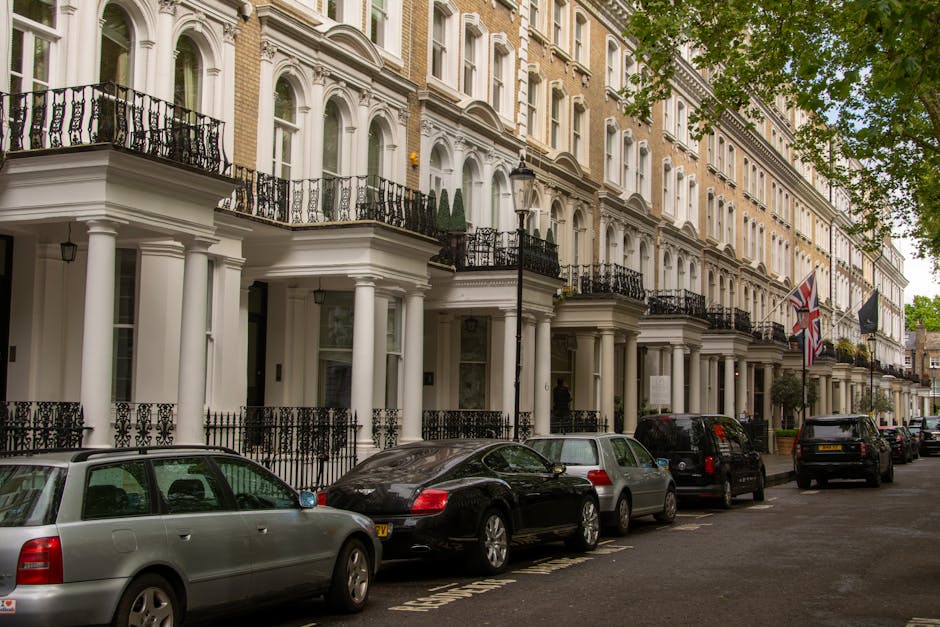
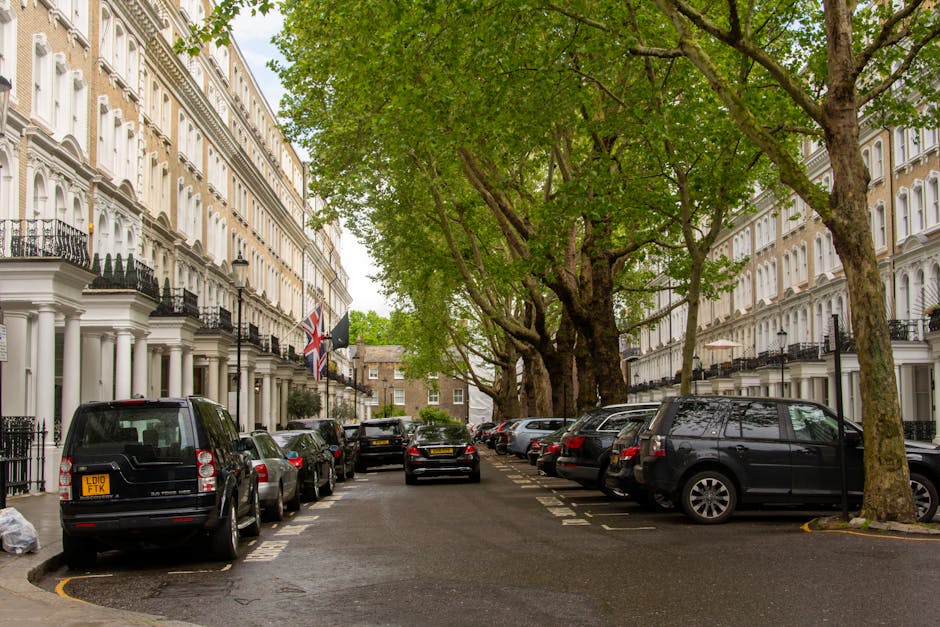
Moves in narrow London streets are less about brute force and more about timing, access, and coordination. Hamilton Terrace is a good example of why that matters. If the road is tight, the van may need to stop further away than expected. If parking is limited, loading can become a stop-start exercise. If neighbours are close by, noise and blocked access become part of the picture too. None of this is dramatic, but it does add up.
That is really the point here. Narrow street removals are not just about lifting boxes. They are about reducing friction at every stage. A small mistake, like assuming the van can park outside the front door, can cost time, money, and patience. To be fair, most problems on moving day come from planning gaps rather than heavy items.
For St Johns Wood residents, this is especially relevant because local streets can be busy at peak times and access can change quickly. A well-prepared move keeps things calmer, and calmer usually means cheaper and safer too.
Expert summary: The more constrained the street, the more valuable pre-planning becomes. Measure access, map parking, agree loading times, and assume the van will need flexibility. That simple approach solves a surprising number of problems.
How Hamilton Terrace narrow street removals tips for St Johns Wood Works
A narrow street removal is usually handled in stages. First, the move plan is built around access, not just the inventory. Then the removals team decides what vehicle size is sensible, where it can stop, and how long loading may realistically take. Finally, the move is executed in a way that protects the property, the belongings, and the people doing the lifting.
On a street like Hamilton Terrace, the practical sequence often looks like this:
- Check access at both addresses, especially the width of the road, the position of parked cars, and any restrictions on stopping.
- Work out whether the vehicle can park close enough for a direct load, or whether a shuttle-style transfer is safer.
- Protect entryways, flooring, and bannisters before large items begin moving.
- Load heavier, awkward, or fragile items in a planned order so the crew does not need to keep rearranging the van.
- Keep communication open if access changes during the day, which does happen more than people expect.
In practice, the whole thing works best when everyone knows the sequence before a single box is lifted. That sounds obvious. It often is not done.
If you are arranging a broader move in the area, it can help to think in terms of the whole relocation rather than just the street itself. A well-planned removal service in St Johns Wood should be able to adapt to access issues, building rules, and timing pressure without making a fuss about it. That flexibility is worth paying attention to.
Key Benefits and Practical Advantages
Good narrow street planning brings real advantages, and not just the obvious one of "the move goes better". There are practical gains that tend to show up quickly.
- Less wasted time: When the van location is planned properly, the crew spends less time shuttling items back and forth.
- Lower risk of damage: Shorter carries and clear routes reduce the chance of bumping furniture, frames, and doors.
- Less stress for you: You are not stuck improvising while boxes pile up on the pavement.
- Better protection for neighbours and property: Narrow streets leave little room for error, so tidy movement matters.
- More accurate scheduling: A move that is thought through in advance is easier to time, which helps if you are juggling keys, handovers, or building access windows.
There is also a quieter benefit people sometimes miss: confidence. Once you know the access plan makes sense, the day feels less fragile. You stop second-guessing every small detail. That alone can change the tone of the move.
If you are comparing moving options, narrow street experience is one of those things that only really shows its value on the day. The best team does not just arrive with a van; they arrive with judgement.
Who This Is For and When It Makes Sense
This kind of planning is for anyone moving in or out of Hamilton Terrace, or anywhere nearby in St Johns Wood where road width, parking control, and building access are part of the challenge. It is especially useful if:
- you live in a townhouse, mansion block, converted flat, or upper-floor property;
- you have large furniture such as wardrobes, sofas, beds, mirrors, or antique pieces;
- you are moving with children, pets, or a tight handover window;
- the property has shared hallways, narrow staircases, or tricky door frames;
- you want the move completed as quickly and cleanly as possible;
- you are concerned about parking restrictions, permits, or busy road conditions.
It also makes sense if you are trying to protect a premium interior finish. Let's face it, white walls and tight stairwells are not the best mix when a sofa is being angled round a corner. A careful plan is not extra fuss. It is common sense.
If you are moving out of a smaller flat, you may think the access issue is less serious because there is less furniture. Sometimes that is true. But lighter moves can still be slowed down by poor parking or limited loading space. So the question is not only "how much stuff do I have?" It is also "how easy is it to physically get to the door?"
Step-by-Step Guidance
1. Survey the street before moving day
Visit Hamilton Terrace at roughly the same time of day your move is likely to happen. You will notice things that do not appear in a quick daytime glance: delivery vans stopping where you hoped to park, school-run traffic, neighbours returning home, or simply the way the street narrows at a particular section. These details matter more than people think.
2. Measure the awkward parts of the property
Measure doorways, stair bends, landings, and any internal pinch points. If a wardrobe can only turn one way, that should be known before the move starts. A rough sketch can help, even if it is not pretty. Truth be told, a slightly messy floor plan is better than a perfect guess.
3. Decide what should be packed first
Not everything should be boxed at the same time. Start with non-essentials and clearly label what needs to be loaded first and last. Items used at the end of the day, such as kettles, chargers, basic toiletries, and documents, should be separated. When the day gets busy, small things disappear into chaos very quickly.
4. Plan vehicle access and loading strategy
Depending on access, the crew may use one larger van, two smaller vehicles, or a shuttle-style approach where items are carried to a safer loading point. There is no single right answer. The best option is the one that keeps the route short and the pressure low. A giant van is not automatically better if it cannot stop sensibly.
5. Protect the route
Floor runners, door protection, and edge covers are worth using. In narrow properties, one scuffed banister can spoil an otherwise good move. This is where professional habits really show. Good movers do not just carry items; they preserve the condition of the property while doing it.
6. Keep a "must-have" box with you
Put keys, chargers, snacks, tea, essential documents, medications, and a small toolkit in one clearly marked box or bag. Keep it separate from the main load. If you have ever spent 20 minutes looking for a phone charger while standing in a half-empty room, you will know why this matters.
7. Leave a buffer for delays
On narrow streets, the unexpected is normal enough. A parked car can shift. A neighbour may need access. A lift might be slower than planned. Build in some breathing room. A move with a small buffer feels manageable; a move planned minute by minute can become brittle very fast.
Expert Tips for Better Results
There are a few localised habits that make a noticeable difference in narrow street removals. None of them are glamorous, but they work.
- Choose the right time of day: Early mornings often give better access, but only if building rules and your own schedule allow it.
- Keep entrances clear: Hallways clogged with boxes slow everything down and create trip hazards.
- Label by room and priority: "Kitchen - first load" is better than just "Kitchen". It helps the unloading order make sense later.
- Use smaller packing boxes for heavy items: Books, records, and tools get very heavy very quickly. Your back will thank you.
- Check if anything needs disassembly: Beds, tables, and large shelving units are often easier to remove in parts.
- Tell the movers about awkward items early: Pianos, artwork, glass, and antique furniture need advance planning, not a passing mention five minutes before loading.
One little tip that sounds trivial but saves hassle: keep a roll of tape and a marker pen handy until the very end. Someone always needs to relabel a box, usually when you are already tired and the light is going. That always seems to happen, doesn't it?
If you are working with a removals company, ask how they handle tight access specifically. A thoughtful answer is a good sign. A vague one is not.
Common Mistakes to Avoid
Narrow street moves tend to go wrong in predictable ways. Once you know the pattern, they are easier to avoid.
- Assuming roadside parking will be easy: In a busy London area, "we'll just park outside" is often wishful thinking.
- Underestimating load times: Short carries can help, but only if access is planned properly. Otherwise, the move drags on.
- Packing too late: Last-minute packing creates chaos and increases breakage risk.
- Ignoring building rules: Some blocks have lift bookings, loading limits, or entry procedures that must be followed.
- Not protecting the property: Scuffed paint and chipped corners are avoidable in many cases.
- Overfilling boxes: Heavy boxes slow the team down and are more likely to split.
- Forgetting the arrival sequence: If the van cannot park right outside, somebody needs to know where items will be staged.
A subtle mistake, but a common one, is treating the move as a straight line from old home to new home. In reality, the road outside matters almost as much as the rooms inside. Ignore the street, and the street will remind you.
Tools, Resources and Recommendations
You do not need a truckload of specialist equipment, but a few practical tools make narrow street removals much smoother.
| Tool or item | Why it helps | Best used for |
|---|---|---|
| Furniture blankets | Protects surfaces from knocks and scratches | Large furniture, frames, mirrors |
| Floor runners | Reduces damage and dirt transfer inside the property | Hallways, stairs, entry routes |
| Furniture straps | Helps secure awkward items safely | Wardrobes, sofas, boxed items |
| Labels and markers | Makes sorting and unloading quicker | Boxes, fragile items, priority loads |
| Basic toolkit | Useful for dismantling and reassembly | Beds, shelves, tables |
| Protective covers | Helps avoid damage in tight spaces | Mattresses, upholstery, soft furnishings |
Beyond tools, the most useful resource is a good pre-move walk-through. If possible, walk the route from the front door to the van position with the mover or removals planner. You will often spot the problem in seconds once you physically trace the path. A single awkward corner can change the whole loading plan.
If you are moving a household with a mix of small flats and larger family furniture, broad removals support in St Johns Wood can be especially helpful because the job may need a more tailored approach than a standard point-to-point transfer.
Law, Compliance, Standards, or Best Practice
For a move on a narrow street, compliance is mostly about common-sense traffic, parking, and property protection rather than anything exotic. Still, it matters. You should always consider local parking restrictions, any permit requirements, and whether loading can be done legally and safely without causing obstruction.
Where relevant, removals teams should work in line with normal UK moving and manual handling best practice. In plain English, that means using sensible lifting methods, not carrying loads that are unsafe, and planning for team safety as well as customer convenience. It also means respecting neighbours and shared access.
If the property is in a managed building, there may be additional rules around lift booking, protective coverings, noise, or moving hours. These are usually set by the building management or lease arrangements. They are not something to guess at on the day. Check early, and if anything is unclear, ask before the van arrives.
It is also wise to confirm whether any fragile, valuable, or specialist items need extra handling. Glass, art, antiques, and fitted components may require careful packing or a different loading order. No drama, just prudence.
Options, Methods, or Comparison Table
There are a few common ways to handle a narrow street move. The best choice depends on the access situation, not just the size of the home.
| Method | Best for | Pros | Trade-offs |
|---|---|---|---|
| Direct van-to-door loading | Where parking is available close to the property | Fast, simple, lower handling | Needs reliable access and legal parking space |
| Shuttle transfer | Very tight streets or restricted parking | Flexible and safer for access | Can take longer and needs extra coordination |
| Smaller vehicle approach | Narrow roads and limited turning space | Easier manoeuvring, less obstruction | May require more trips or careful load planning |
| Full-service pack and move | Busy households or time-sensitive moves | Less stress, more support, better structure | Usually higher cost than a basic transport-only service |
In many Hamilton Terrace moves, the best answer is a mixed approach. For example, a smaller van may get closer to the property, while a second vehicle or staged unloading plan handles overflow. That kind of flexibility often beats forcing a single rigid method.
Case Study or Real-World Example
Here is a realistic example, based on the kind of move that comes up often in St Johns Wood.
A couple moving out of a first-floor flat on a narrow terrace street had a sofa that looked perfectly normal in the living room but became a different beast entirely once it reached the stairwell. The road outside was already lined with parked vehicles, and the team could not simply stop at the front door. Rather than improvise badly, the movers agreed a nearby loading position, protected the hallway, dismantled one bed frame in advance, and loaded the heaviest items first while the lighter boxes were staged nearby.
The move still took careful handling, but the day stayed orderly. No one was carrying things in circles. No one was panicking about the van. And no one had to guess where the next box was going. That is usually the difference between a hard day and a manageable one.
The client's main comment afterwards was not about speed, interestingly. It was about calm. That is often the real value of proper planning. A move does not need to feel effortless to feel under control.
Practical Checklist
Use this checklist a few days before the move and again on the morning itself.
- Confirm access at both addresses.
- Check parking restrictions and likely van stopping points.
- Measure doorways, stairs, and key furniture dimensions.
- Pack fragile items separately and label them clearly.
- Prepare a first-night essentials bag or box.
- Protect floors, corners, and narrow hallways.
- Dismantle large furniture where needed.
- Keep keys, documents, and chargers with you.
- Tell movers about any special items early.
- Build in time for delays, because little delays do happen.
Quick reminder: If you can solve the access problem before the van arrives, you have already removed most of the pressure from the day.
Conclusion
Narrow street removals in Hamilton Terrace are not difficult because the moving itself is impossible. They are difficult when access, timing, and planning are left too late. Once those parts are handled properly, the whole experience becomes much easier to manage.
The best Hamilton Terrace narrow street removals tips for St Johns Wood are simple in principle but powerful in practice: survey the street, measure the awkward spots, plan parking carefully, protect the property, and keep the loading sequence sensible. Do that, and you give yourself a far better chance of a smooth move with less stress, less damage, and fewer surprises.
If you are preparing for a move soon, take the time to think through the street as carefully as the boxes. It is a small shift in mindset, but it makes a big difference. And honestly, on moving day, calm is worth a lot.
Get a free quote today and see how much you can save.
Frequently Asked Questions
How do I prepare for a narrow street move on Hamilton Terrace?
Start with access. Walk the route, check parking space, measure the important doorways, and decide where the van can reasonably stop. Pack early and label everything clearly so loading can happen in the right order.
Do removals vans fit easily on Hamilton Terrace?
Not always. It depends on the time of day, parked cars, and the exact access outside your property. A good removals team will assess whether a direct stop, smaller vehicle, or shuttle transfer is more suitable.
What if there is nowhere to park right outside my home?
That is common in narrow London streets. The move can still work if the loading route is planned properly. The team may need to stop further away and carry items in stages, which is why planning matters so much.
Are there special risks with moving in St Johns Wood?
The main risks are access delays, parking restrictions, awkward staircases, and damage to property or items if the route is too tight. None of these are unusual, but they do need proper handling.
Should I disassemble furniture before the movers arrive?
Where practical, yes. Beds, shelving, and large tables are often easier to move in parts. If you are unsure, ask the removals team which items should be dismantled in advance and which should stay intact.
How do I protect my home during the move?
Use floor runners, corner protectors, and doorway protection. Clear hallways before the crew starts. It sounds basic, but it helps prevent scuffs and keeps the moving route safer for everyone.
Is it better to book an early morning move?
Often, yes, because streets can be quieter and access may be easier. That said, the best time depends on your building rules, parking conditions, and your own handover schedule.
What items need special care in a narrow street removal?
Large mirrors, glass furniture, antiques, pianos, artwork, and bulky sofas need extra attention. Anything difficult to turn or lift should be flagged early so the crew can plan the route properly.
How far in advance should I plan a move like this?
The earlier the better, especially if you need to think about parking, permits, lift bookings, or furniture dismantling. Even a short move becomes easier when those details are handled ahead of time.
Can a narrow street move take longer than expected?
Yes, and that is normal. Even a well-run move can slow down if parking changes, access becomes blocked, or a large item needs more careful handling. A small time buffer helps a lot.
What is the biggest mistake people make with narrow street removals?
Assuming the street outside will sort itself out. It rarely does. Good access planning is usually the difference between a smooth day and a stressful one.
How do I choose the right removals support for Hamilton Terrace?
Look for a team that asks questions about access, parking, and property layout rather than just quoting on volume alone. Experience with tight London streets is a very good sign.
When the street is narrow, the solution is usually not more effort. It is better judgement. And that, more than anything else, is what keeps the day moving in the right direction.